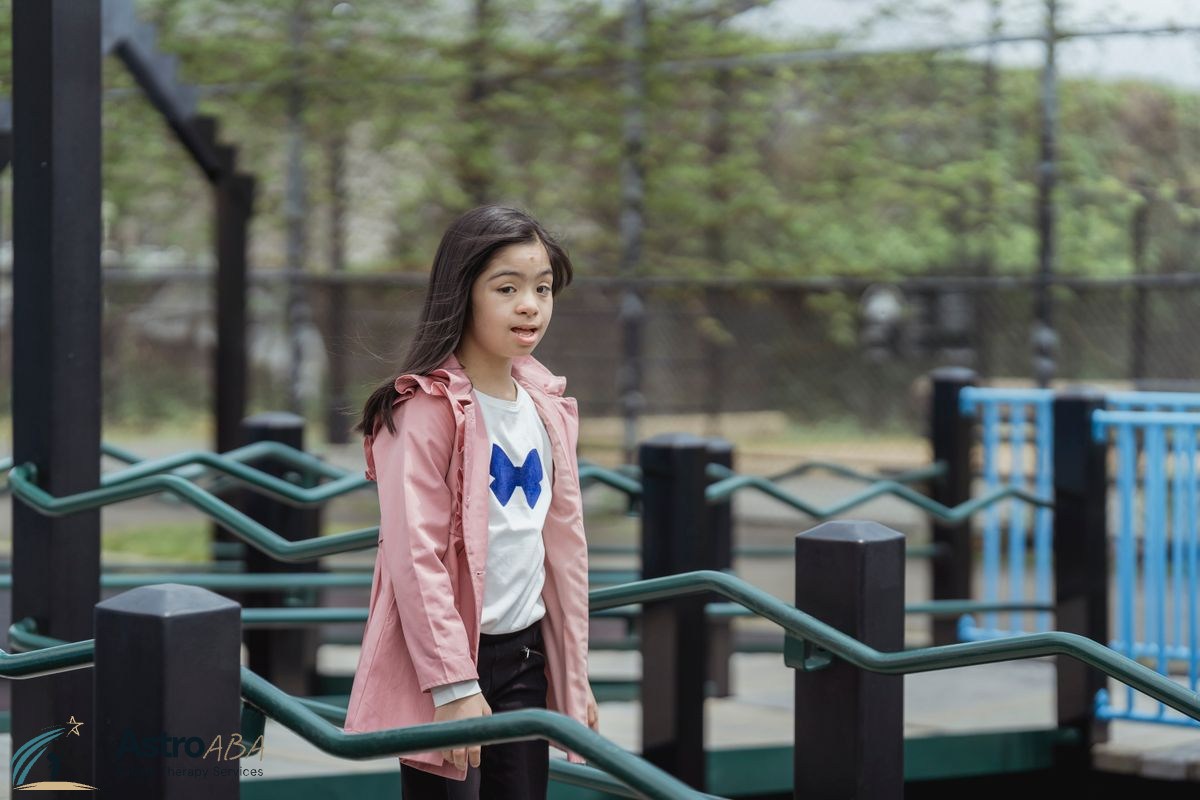
Key points:
- Girls may copy peers, rehearse social behavior, or hide distress until they reach home.
- Intense interests can look socially typical, so adults may miss their depth and rigidity.
- A developmental evaluation can clarify needs without asking your daughter to prove that she struggles.
You may notice your daughter works hard to fit in, then falls apart at home. She might seem social yet feel lost inside friendships. These patterns can make the signs of autism in girls that New Jersey parents observe harder to connect. Many girls learn to copy expressions, scripts, or classroom behavior.
Adults may see a quiet child and miss the effort underneath today. This guide helps you notice patterns in your daughter’s life across communication, play, sensory needs, routines, and emotions. It also explains why early autism signs may look different from stereotypes. One behavior never confirms autism.
A careful evaluation considers development, daily functioning, and your daughter’s own experience. You need not wait for every sign to appear. Write down what you see. Ask school staff for specific examples. Then bring your concerns to a qualified professional who listens without dismissing a girl who seems fine on the surface.
Why Signs of Autism in Girls New Jersey Families See Can Be Subtle
Autism affects people of every gender. Yet many examples used in public awareness have centered on boys. That can lead to autism in girls being overlooked when behavior does not match an expected picture.
A girl may watch peers before joining. She may memorize lines or miss hidden rules. These efforts can conceal support needs.
The list of social, communication, and behavior signs shows that autism appears through patterns, not one personality type. Some children talk early. Some enjoy affection. Some make eye contact. Those traits do not rule autism out.
What Masking Can Look Like
Masking means hiding or compensating for autistic traits. Your daughter may copy a friend’s gestures. She may prepare lines before a conversation. She might suppress movement that helps her regulate.
Research describes masking as strategies used to blend into social situations or meet expected norms. This work can feel exhausting. It may also make adults underestimate support needs.
Possible autism masking in girls includes:
- Copying one socially confident peer.
- Practicing facial expressions in a mirror.
- Laughing without understanding the joke.
- Staying silent to avoid making a mistake.
- Holding in distress until she gets home.
- Changing interests or speech around different groups.
Masking often seeks safety or belonging. Look at its cost, not only outward success.
Why Home and School Reports May Conflict

A teacher may describe a model student. You may see tears, shutdowns, headaches, or anger after school. Both reports can be true.
School offers structure and clear rules. Your daughter may use all her energy to meet them. Home feels safer, so stored stress comes out. This pattern helps explain why girls' autism diagnosis delays NJ families experience can last for years.
Ask staff for details, not labels. “She is doing well” tells you little. Ask how she starts conversations, handles group changes, chooses partners, and recovers after noise.
Social Communication Patterns to Notice
Social interest and social ease differ. Your daughter may want friends deeply yet struggle with changing group rules.
When comparing autism symptoms in girls vs. boys, avoid a fixed checklist. A second comparison should focus on support needs, not stereotypes.
Friendship and Conversation
Some girls manage one close friendship but feel lost in groups. Notice repeated games, missed teasing, intense attachment, or hours spent replaying conversations. A communication development guide can help you describe these skills.
Your daughter may use rich language about favorite topics yet miss signals that someone wants a turn. Scripts from books or past conversations may help her participate. If you wonder is my daughter is autistic, NJ, note when conversation works and when it breaks down.
Interests, Routines, and Sensory Needs
A strong interest may center on animals, stories, art, dolls, or a fictional world. The subject looks common. Intensity may stand out.
Ask whether your daughter can pause the interest, accept another child’s idea, or cope when materials move. These questions may reveal signs of autism in girls that New Jersey families miss. Watching patterns over time makes these signs clearer.
A guide to problem-solving skills in ABA can frame flexibility as a teachable skill. Support should respect interests, not remove them.
Sensory Differences Shape the Day
Clothing seams may hurt. Cafeteria smells may cause nausea. Your daughter may also seek movement, pressure, or sound.
Notice:
- Refusing certain clothes or foods.
- Avoiding assemblies or cafeterias.
- Chewing sleeves or objects.
- Needing recovery after busy places.
- Becoming upset during grooming.
Do not treat every sensory response as defiance. A quieter space, warning, or sensory tool may reduce strain.
Signs of Autism in Girls in New Jersey Can Include Overload
Your daughter may hold herself together at school, then cry, hide, or stop speaking at home. This does not mean she chose poor behavior. Long social and sensory demands can drain her coping energy.
When autism in girls is overlooked, adults may punish the reaction while missing the overload. Track noise, changes, conflict, hunger, sleep, and long periods of masking. The emotional regulation support process can connect observation with safer coping skills.
Your child should not have to hide pain to appear successful.
How to Seek an Evaluation in New Jersey
You can begin with your pediatrician, school team, or a developmental specialist. Share written examples. Include strengths and difficulties. Explain what happens after social or sensory demands.
A diagnosis gives language for her experience and open access to support. The goal is understanding.
Prepare Useful Notes
For two weeks, record the setting, trigger, response, recovery time, and what helped. Bring schoolwork, prior evaluations, and teacher observations.
Ask about experience recognizing autism masking in girls. Also ask how the evaluator distinguishes autism from anxiety, ADHD, trauma, or language differences.
New Jersey families can review local ABA availability and how an autism diagnosis starts. Therapy choices come after you understand needs.
What to Do If Someone Dismisses Your Concern
Eye contact or friendship does not rule out autism. Ask which developmental areas were reviewed.
If concerns continue to affect daily life, seek another evaluation. Early follow-up may help address the delay in autism diagnosis for girls in NJ that many families experience. In the meantime, keep supporting your child's comfort and needs.
Choose Support That Respects Your Daughter

Useful goals help your daughter communicate, participate, and feel safe. They should not focus only on making her appear less autistic.
Support may build skills for asking for breaks, handling changes, understanding boundaries, and completing routines. When comparing in-home and center-based care, consider where your daughter feels secure. Ask how providers include her preferences.
The question of whether my daughter is autistic in NJ cannot be answered online. A thorough evaluation can turn uncertainty into a clearer path. Family-focused ABA services can then connect goals with the places they matter.
Frequently Asked Questions
Can girls be autistic if they have close friends?
Yes. A girl may value friendship and still struggle with group rules, conflict, or social recovery. Evaluators look at the quality, effort, and flexibility of interaction, not whether a friend exists.
Is masking always a sign of autism?
No. People may hide traits for many reasons. In autism, masking may appear alongside sensory differences, repetitive patterns, communication needs, or rigid routines. A qualified evaluator considers the full developmental picture.
At what age can autism be identified in girls?
Autism can be identified in early childhood, though some girls receive answers later. Signs may become clearer as social demands grow. You can request an evaluation whenever patterns affect learning, relationships, comfort, or daily routines.
Will an autism evaluation blame my parenting?
An evaluation does not blame parents. It reviews development, behavior across settings, medical history, and functioning. Your detailed observations help the evaluator understand her strengths and support needs more clearly.
What support can start before a diagnosis?
You can use visual routines, sensory accommodations, clear language, recovery time, and school support before diagnosis. Ask professionals to address current needs while evaluation continues. Safety and comfort should not wait for paperwork.
Let Her Be Seen, Then Help Her Shine
Recognizing signs of autism in girls that New Jersey families may miss starts with curiosity. Look past polite behavior or strong grades. Notice the effort, recovery time, sensory strain, and friendship confusion that may sit underneath.
Emerge ABA supports children and teens across New Jersey and New York. A trained team can help families understand behavior, develop useful skills, and connect therapy goals with everyday routines. Your daughter’s voice and comfort should guide that work.
Contact Emerge ABA to discuss evaluation questions, services, insurance, or next steps. Call 718-534-7014 or email office@emergeaba.com. You do not need every answer before asking for help. A thoughtful conversation can begin with what you already notice today.