
Key points:
- ABA therapy breaks big skills into small steps and uses positive reinforcement to help children with autism learn and grow.
- Sessions can happen at home, at school, or in a center, based on what fits your child best.
- A board-certified behavior analyst designs and oversees every plan, so care stays personal to your child.
If a pediatrician or a friend just mentioned ABA therapy to you, you are probably asking yourself, what is ABA therapy, and does my child actually need it. You are not alone in that question. Applied behavior analysis has become the most talked-about treatment for children on the autism spectrum, and for good reason. It carries decades of research behind it, and it can help your child build skills that make daily life easier, at home, at school, and out in the world.
This guide walks you through what is ABA therapy, how it works, what a typical day looks like, and where families can find ABA therapy services close to home in New Jersey and New York. No confusing terms, just plain answers so you can decide what fits your child.
What Is ABA Therapy, Exactly?
Applied behavior analysis, or ABA, rests on one simple idea. Behavior that gets reinforced happens more often. ABA therapy, explained in plain terms, means breaking a big skill, like asking for a snack or taking turns with a sibling, into small steps your child can actually learn.
A therapist works with your child using praise, a favorite toy, or extra playtime to encourage the behaviors you want to see more of. Over weeks and months, those small wins add up to real, lasting change.
Applied behavior analysis for autism is not about punishment. It focuses on teaching new skills and reducing behaviors that get in the way of learning, like meltdowns, aggression, or shutting down.
Who Delivers ABA Therapy
A board-certified behavior analyst, often called a BCBA, leads every case. They assess your child, write the treatment plan, and supervise the technicians who work directly with your child during sessions.
- BCBA: designs the plan and tracks your child’s progress over time
- Registered behavior technician, or RBT, runs sessions day to day under BCBA supervision
- You, the parent: reinforce new skills at home between sessions
Most BCBAs oversee a caseload of RBTs, checking session data regularly and adjusting goals as your child grows. This layered structure means your child always has a supervised professional watching their overall progress, even on days when a technician runs the actual session.
Families in New Jersey and New York can read more about the clinical team behind a strong ABA therapy program before choosing a provider. You can also browse more parent resources on ABA therapy as you get started.
How ABA Therapy Works
Once you understand what is ABA therapy at a basic level, the next question is usually, how does it actually work day to day?
Building Skills One Small Step at a Time
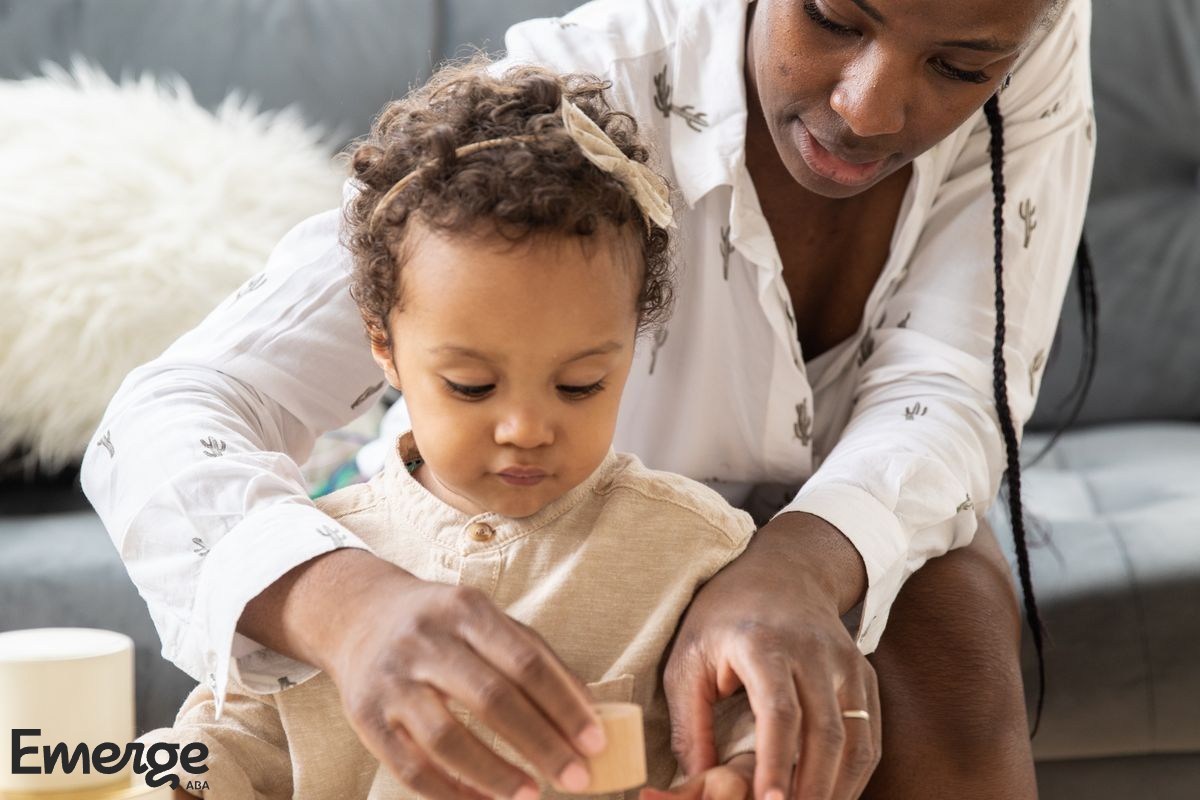
A BCBA starts with an assessment. They watch your child, talk with you, and figure out which skills matter most right now. Maybe that is asking for help. Maybe it is sitting through a meal without a meltdown.
From there, the team writes goals and breaks each one into tiny, teachable pieces. How ABA therapy works comes down to repetition, clear cues, and rewards that matter to your child specifically.
- Discrete trial teaching: short, structured practice rounds for a single skill
- Natural environment teaching: skills practiced during play or daily routines
- Parent training: strategies you can use outside of sessions, too
The Centers for Disease Control and Prevention notes that applied behavior analysis encourages desired behaviors and discourages undesired behaviors to improve a variety of skills, with progress tracked and measured throughout treatment.
Where Sessions Can Happen
ABA therapy is flexible about location. Families across New York and New Jersey can choose the setting that fits their child and their schedule.
- In-home sessions, in your child’s own bedroom or living room
- School-based sessions, alongside classmates and teachers
- Center-based sessions, in a structured group setting with peers
What a Typical ABA Therapy Session Looks Like
A session usually starts with a quick check-in. The therapist looks at how your child is feeling that day, since mood and energy affect what gets worked on first.
- Warm-up activities to build rapport before harder tasks begin
- Structured teaching time, focused on one or two specific goals
- Built-in breaks for movement, snacks, or a favorite activity
- Data collection throughout the session, so progress gets tracked in real time
- A wrap-up moment where the therapist notes wins and challenges for the day
Sessions typically run one to three hours, though total weekly hours depend on your child’s individualized treatment plan. Full programs, sometimes 20 to 40 hours a week, tend to happen in the first year or two after diagnosis, while some families choose a lighter, more focused schedule instead. Your BCBA will revisit this schedule regularly and adjust it as your child masters goals and takes on new ones.
The Real Benefits of ABA Therapy
Parents often ask what changes they should expect to see. The benefits of ABA therapy show up gradually, then all at once.
- Stronger communication, from first words to full conversations
- Better social skills, like sharing, turn-taking, and reading facial expressions
- More independence with dressing, eating, and other daily routines
- Fewer meltdowns, because your child has new ways to express frustration
Finding ABA Therapy in New Jersey and New York

Once you know what is ABA therapy and what it can do, the next step is finding the right fit. ABA therapy in New Jersey and New York looks a little different depending on where you live, since insurance rules and provider networks vary by state.
Start by asking a few questions.
- Is the provider in-network with your insurance plan?
- Does the team include a BCBA who supervises every case?
- Can they offer in-home, school-based, or center-based options?
Understanding insurance coverage for ABA therapy ahead of time saves you from surprises once treatment starts. And if you are still narrowing down your options, a guide on choosing an ABA therapy provider can help you compare what matters most.
Frequently Asked Questions
Is ABA therapy only for children with autism?
Most children who receive ABA therapy have an autism diagnosis, but the approach can also help with other developmental delays that affect communication or behavior.
How many hours of ABA therapy does my child need?
Hours vary by child. Some kids do well with 10 hours a week, while others benefit from a more intensive schedule. Your BCBA sets hours based on your child’s goals.
Can ABA therapy happen at home instead of a center?
Yes. In-home ABA therapy is common and lets your child practice skills in the space where they will actually use them every day.
What is the difference between a BCBA and an RBT?
A BCBA designs and oversees the treatment plan. An RBT works directly with your child during most sessions, following that plan under BCBA supervision.
Does insurance cover ABA therapy in New Jersey and New York?
Both states require many insurance plans to cover medically necessary ABA therapy, though coverage details depend on your specific plan.
Your Child’s Breakthrough Starts With One Step Forward
Every skill your child builds today becomes a tool they carry for life. ABA therapy takes big goals like communication, independence, and confidence and turns them into small, achievable steps your child can master one at a time.
Emerge ABA helps families in New Jersey and New York understand what is ABA therapy and how it can fit into their child’s daily routine, without added pressure or confusing paperwork.
Reach out to Emerge ABA today to learn how a personalized ABA therapy plan can help your child take their next step forward, one breakthrough at a time.