Key points:
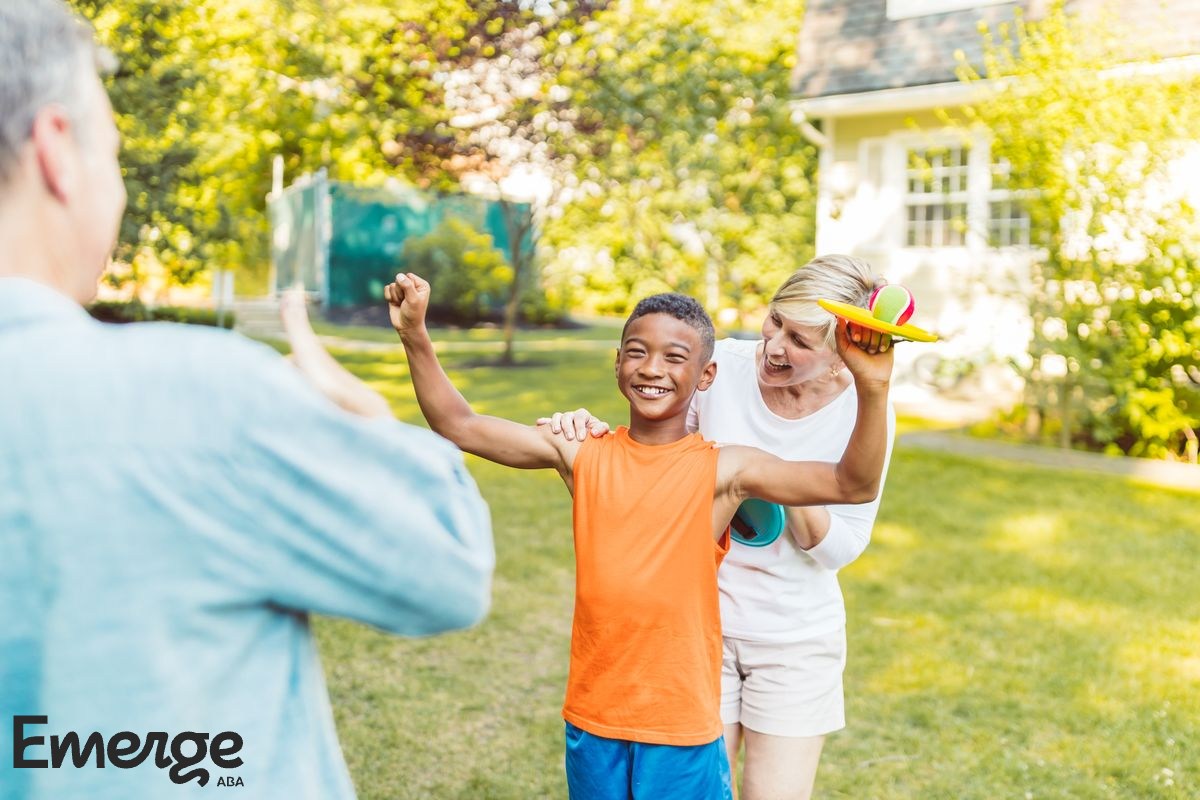
- Community-based ABA therapy takes skills learned at home or school and tests them out in real, everyday places.
- Teaching autism skills in real-world settings works better than practicing everything in one quiet, predictable room.
- Generalization skills in autism therapy make the difference between a skill that works once and one that actually sticks.
Skills only matter if they show up outside the therapy room. That is the whole idea behind community-based ABA therapy. A child might do great with a skill during a session, then freeze up the moment they try it somewhere new, like a store or a playground.
This is where generalization skills in autism therapy come in. Generalization simply means a skill works in more than one place, with more than one person, not just in the exact setup where it was first taught. This guide looks at how that happens on purpose, in real settings families use across New Jersey and New York every single week.
Why ABA Therapy Outside the Home Matters So Much
ABA therapy outside the home exposes a child to noise, unpredictability, and real social pressure, things a quiet therapy room simply cannot replicate. A grocery store has lines, strangers, and bright lights. A playground has other kids who do not follow a script.
Practicing in these places, with support nearby, builds confidence that a controlled room never quite can. Many of these same skills connect back to the basics covered in our piece on daily living skills and independence.
Real environments teach real skills.
Teaching Autism Skills in Real-World Settings: What It Looks Like
Teaching autism skills in real-world settings might mean a therapist joining your child on a trip to the store or practicing ordering food at a counter. The goal stays specific and measurable, even outside a clinical space.
These sessions build on strategies families already practice at home, similar to what we cover in our article on behavioral skills development at home.
- Practicing waiting in line without frustration
- Ordering food and handling small talk with a cashier
- Navigating a busy playground and taking turns on equipment
- Asking a stranger for help finding something
ABA Therapy for Grocery Store and Restaurant Skills
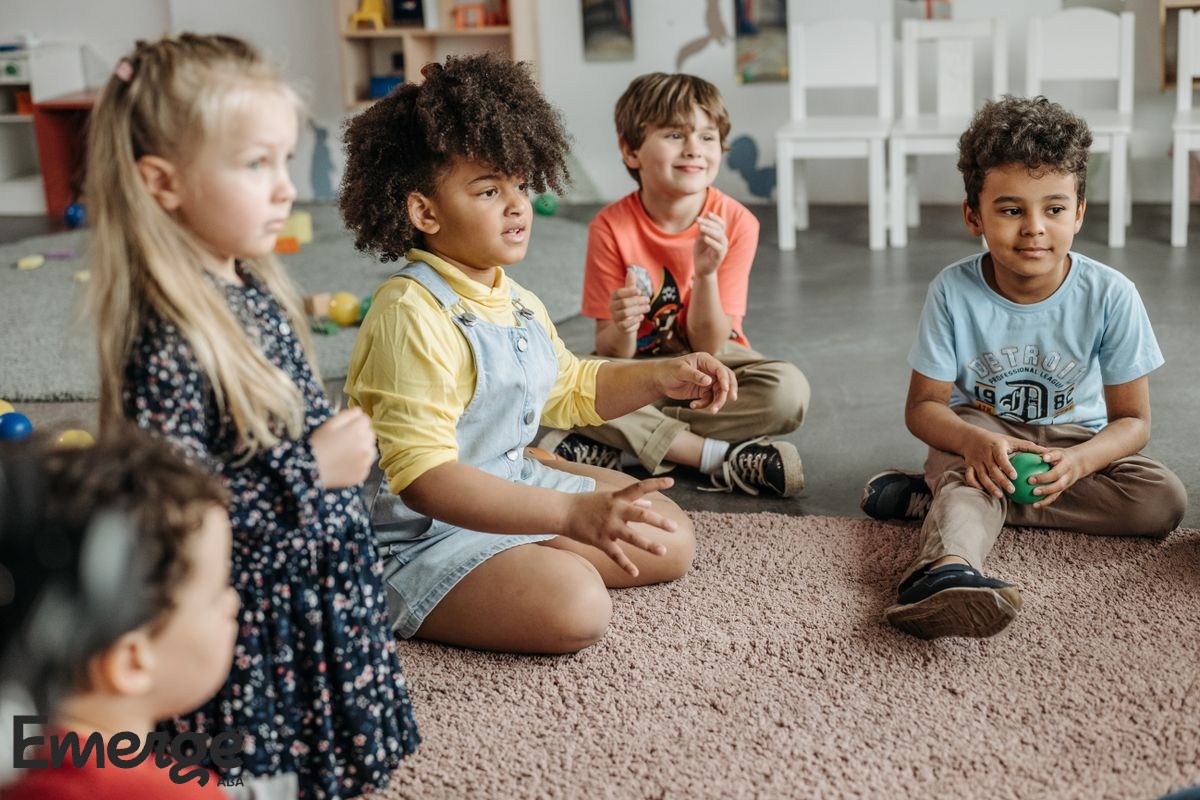
ABA therapy for grocery store and restaurant skills covers some of the most requested goals from families. These settings show up constantly in daily life, so progress here pays off almost right away.
- Staying near a caregiver in a crowded aisle
- Tolerating a longer wait at checkout
- Choosing between two items independently
- Handling an unexpected change, like a closed aisle
Common Restaurant Goals
- Sitting through a full meal without needing to leave early
- Communicating a food preference clearly
- Managing sensory input from noise and smell
- Practicing patience while food is being prepared
Families in New York often start with whichever setting causes the most day-to-day stress, then expand from there once a skill takes hold.
Generalization Skills in Autism Therapy, Why One Setting Is Not Enough
A skill practiced only at home or only in a clinic often stays stuck there. Generalization skills in autism therapy get built through repetition across different people, places, and situations, done on purpose rather than by accident.
Think of it like learning to ride a bike only in your driveway. The moment you hit a hill or loose gravel, everything feels new again. Community practice removes that surprise ahead of time. Research summarized by Autism Speaks notes that ABA is flexible enough to be delivered at home, at school, and in the community, which is exactly what supports this kind of skill transfer.
Families combining this with school-based ABA therapy or in-home ABA therapy often see skills transfer faster, since the same strategies show up everywhere the child spends time. A study published through the National Institutes of Health points out that skills need to be acquired and generalized through training delivered across home, school, and community settings to really hold up over time.
Real-Life Autism Skills Training as Kids Get Older
Real-life autism skills training shifts as children grow. A five-year-old might work on staying close in a parking lot. A twelve-year-old might work on ordering independently at a counter while a caregiver waits nearby.
This kind of training connects closely with early intervention ABA therapy for younger kids, since skills built early often expand naturally into more independent community goals later on.
- Younger kids: safety skills, waiting, basic requesting
- School-age kids: social skills with peers, following multi-step directions
- Older kids and teens: independence tasks, money handling, self-advocacy
How Families in NJ and NY Build This Into Weekly Routines
Community sessions work best when they fit naturally into a week your family already lives, not a separate event bolted on top of it. A therapist might join a regular Saturday grocery run rather than scheduling something artificial.
Coordinate with your provider about which errands or outings make sense to include. Parent training sessions can also help you carry these strategies into outings that happen without a therapist present.
What to Expect the First Few Times
The first few outings move at their own pace. A therapist often spends most of the trip watching how your child responds to the setting, then builds from there.
Progress does not follow a straight line. A crowded store on a hard day is not a setback. It is part of how a new skill takes hold.
Most families notice a shift after a few weeks. The skill starts to show up on its own, without a prompt. That is the goal taking shape.
Working With Your Child's Team on Community Goals
Bring up specific settings that matter to your family during your next planning session. If Sunday dinners at a favorite restaurant matter to your household, say so directly, since a BCBA can only build goals around what they know is important to you.
Ask how progress in the community gets tracked compared to sessions at home or school. Data collected out in the world can look a little different, and it helps to understand how your team measures it before you are staring at a report full of unfamiliar terms.
Signs a Skill Has Truly Generalized
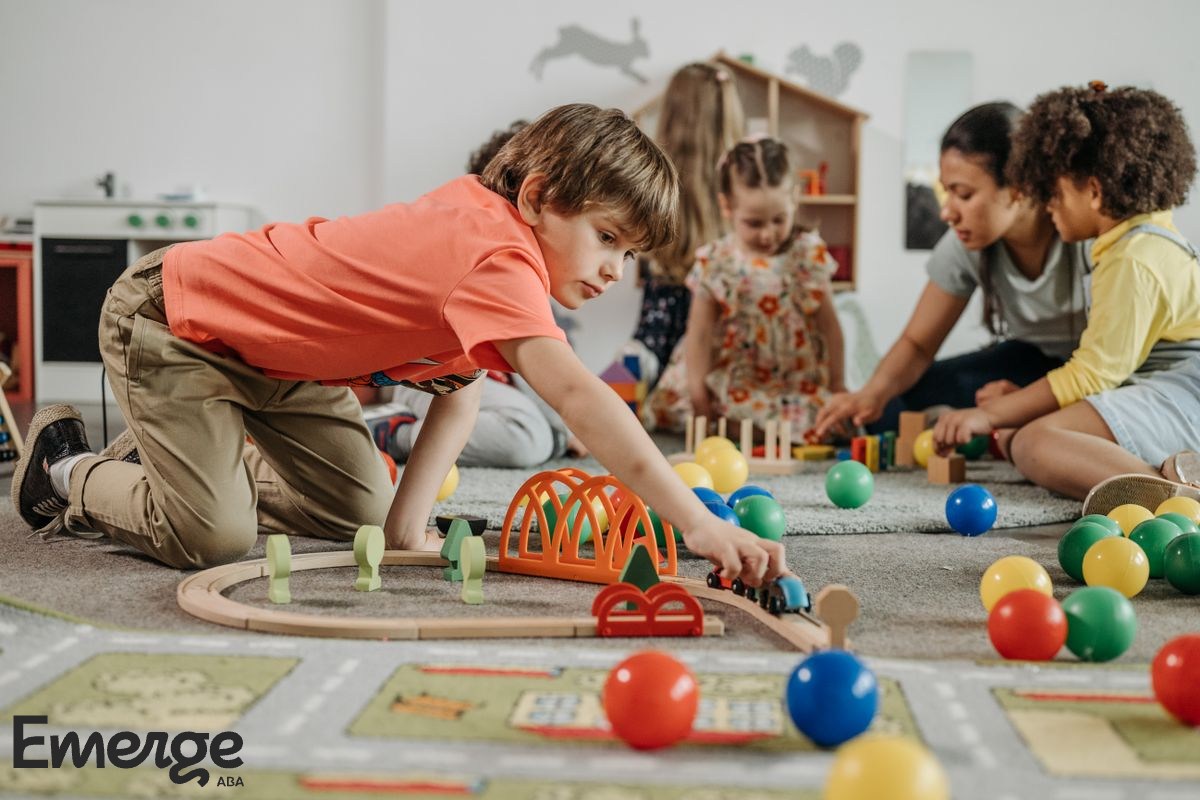
A skill has really taken hold once your child uses it without a therapist present, without a specific prompt, and in a setting nobody planned. Those three things together are the real marker of progress.
Until then, keep expectations realistic. A skill that only shows up during planned sessions is still valuable, but it has not finished the journey yet.
Frequently Asked Questions
What is community-based ABA therapy exactly?
It is ABA therapy delivered in real-world settings like stores, parks, or restaurants instead of a clinic or home, so children practice skills in the actual places they will use them.
Why does generalization matter so much in autism therapy?
A skill that only works in one setting has limited real-world value. Generalization ensures a child can reliably use a skill with different people, places, and situations.
At what age can a child start ABA therapy outside the home?
There is no strict minimum age. Community sessions can start whenever a BCBA determines a child is ready, often once foundational safety and communication skills are in place.
How do therapists choose which real-world settings to target?
They usually start with places your family visits often, like a local grocery store, since practicing in familiar, frequent locations builds skills that get used right away.
Can community-based sessions replace school or home-based ABA therapy?
No, they typically work best as one part of a full plan that also includes school-based or in-home support, so skills reinforce each other across every setting.
From the Classroom to the Checkout Line, Progress Everywhere
Real growth shows up in ordinary moments: a calm trip to the store, a comfortable meal out, a confident walk through a crowded park. Skills only count when they travel with your child everywhere they go, not just inside a therapy room.
Emerge ABA helps families across New Jersey and New York build community-based goals into everyday routines, so progress made in one setting shows up in all the others too.
Reach out to Emerge ABA to talk about which real-world goals matter most for your child right now.