ABA Therapy inNew York
Caregiver-Centered Support for Children and Teens Across New York State
Every child deserves care that fits their daily life and supports steady progress. Emerge ABA provides individualized autism therapy in New York for children and teens ages 2 to 21. Our clinical programs target functional communication, daily living skills, emotional regulation, and social connections. With direct insurance verification and current no-waitlist availability, receiving ABA therapy in New York helps your child build practical skills across the state.

Serving New York Families
Care for Ages 2–21
BCBA-Led Assessment
Insurance Verification Support

Thank you for reaching out!
Our team will review your inquiry and get back to you soon. We look forward to learning more about your child and how we can help.
How Do Flexible ABA Care Models Support Skill Building Across Settings
An individualized care plan adapts to your child's specific environment, goals, and daily schedules. After an initial assessment, clinical teams structure direct sessions based on medical necessity, insurance authorization, and staffing availability. Emerge ABA services combine evidence-based behavioral strategies with real-world practice in home, school, and community environments.Service options available to families include:

In-Home ABA Therapy
Direct sessions in your residence focus on self-care habits, functional communication, and daily household routines.
Early Intervention ABA Therapy
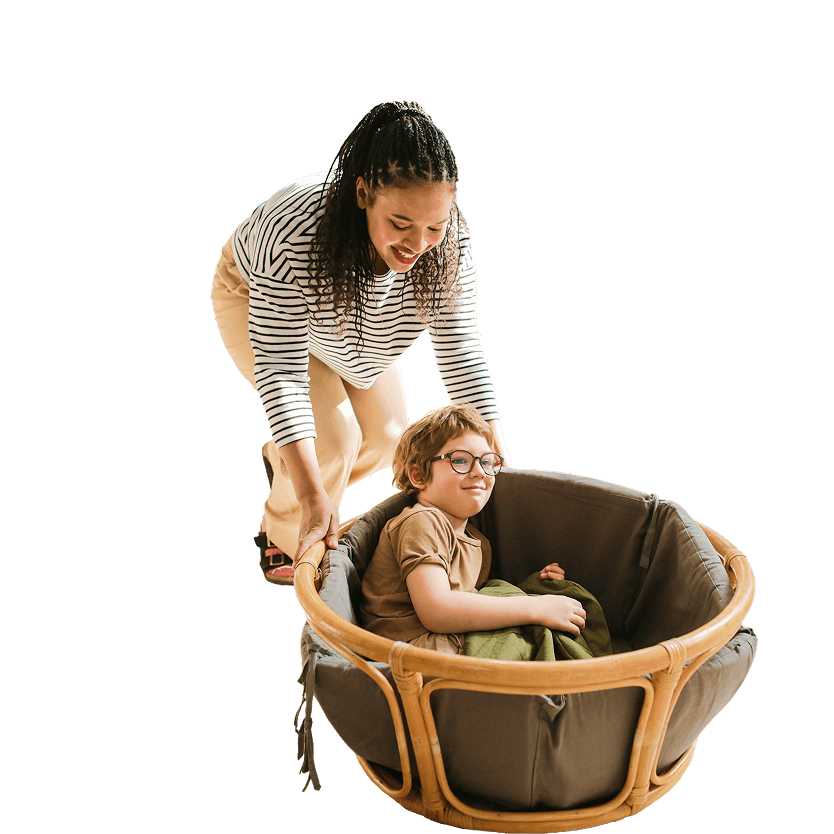
Developmentally appropriate support helps younger children develop foundational communication, social connections, and structured play skills.

School-Based ABA Therapy
Specialized support focuses on classroom participation, focus, peer interactions, and transition routines during the school day.

Community-Based ABA Therapy
Targeted practice in public spaces helps build safety habits, waiting tolerance, and functional independence during errands or family outings.

ABA Parent Training
Structured coaching sessions equip caregivers with practical strategies to reinforce behavior goals between direct clinical sessions.

Can Applied Behavior Analysis Support Your Child in Familiar Settings
Everyday home routines offer a realistic context for practicing communication, self-care, and functional behavior. Practicing in your living room or kitchen allows your child to focus on skills where they naturally occur. When an ABA therapist comes to your house, direct support integrates into your family's standard schedule.
Key ways home-based sessions support functional progress include:
- Routine-Based Practice: Clinicians guide skill development during mealtimes, dressing, play, and household transitions.
- Caregiver Collaboration: Family members observe behavioral strategies and learn ways to reinforce positive habits outside of formal sessions.
- Individualized Alignment: Treatment goals reflect your child's assessed clinical needs, household environment, and health plan authorization.
The Emerge ABA clinical and support team includes board-certified behavior analysts, intake specialists, and case managers who coordinate care for families seeking home-based ABA therapy.
Which Skills Can Children Practice During Home Visits
Receiving care at home allows behavioral clinicians to structure direct intervention around practical everyday needs. Sessions blend structured teaching, play-based activities, and routine-based practice.

Communication and Daily Social Practice
Clinicians focus on functional communication, such as requesting items, responding to directions, and engaging in reciprocal play. These interactions help children express their needs during daily family activities.

Personal Care and Daily Routines
Therapists guide children through dressing, handwashing, mealtimes, and organized transitions. Direct practice during regular household activities helps build personal independence.

Emotional Regulation and Behavioral Support
The clinical team identifies triggers that precede challenging behaviors and teaches ways to handle frustration safely. Public health guidelines emphasize that effective autism treatment and intervention settings must be designed to the child's specific behavioral needs.

Caregiver Guidance and Practice
BCBAs share strategies with family members to promote skill carryover outside of session hours. Parents receive regular feedback and observational guidance.Through targeted in-home autism therapy, technicians deliver one-on-one ABA therapy at home personalized to authorized goals. Individualized ABA therapy services adapt to diverse clinical needs across home, school, and community environments. Specific hours and schedule details depend on assessment recommendations, medical necessity, and insurance approval.

Why Do Families Choose ABA Services in Their Own Living Space
Emerge ABA delivers individualized care designed around the practical realities of everyday life. Our clinical models focus on structured support, consistent oversight, and administrative assistance.
- Individualized Planning: A BCBA conducts a detailed clinical assessment to establish clear, measurable targets for your child.
- Therapist Matching: The team pairs your child with a behavioral technician based on clinical needs, schedule alignment, and personality fit.
- Real-World Application: Skills are practiced directly in the areas where your child spends most of their time.
- Clinical Oversight: Supervising BCBAs continuously track performance data and make necessary modifications to the plan.
- Administrative Support: Case managers assist families with intake paperwork, plan authorization, and insurance coordination.
By providing in-home behavioral therapy for autism, the team helps children practice essential communication and social behaviors within their standard home environment.
What Are the Steps to Start Care at Home
Starting services involves a structured process to establish the right support level for your child. Parents often ask, “How does in-home ABA therapy work?” when getting started with care.
Our structured intake and assessment process establishes clear milestones for care before direct sessions start.
Initial Contact
Reach out to our intake department via phone or online form with your child's basic information and diagnostic history.

Benefit Verification
Our administrative specialists review your insurance coverage to confirm eligible behavioral health benefits.

BCBA Assessment
A board-certified clinician completes an evaluation and drafts an individualized treatment plan.

Care Matching & Scheduling
After plan approval, we match your child with an appropriate therapist and establish a weekly home schedule.

Ongoing Supervision
Technicians conduct regular sessions while BCBAs analyze data, supervise care, and update goals as your child progresses.

Where Is In-Home Behavioral Support Available Across NY and NJ
Our clinical teams bring direct behavioral care to communities across New York and New Jersey. In New York, we support families in New York City, Long Island, the Hudson Valley, and surrounding regions. Parents searching for in-home ABA therapy NY can access clinical care within their local neighborhoods. We deliver home-based ABA services across New York to support families throughout regional communities.
In New Jersey, coverage spans Northern, Central, and Southern counties, including Bergen, Essex, Hudson, Union, Middlesex, Mercer, Monmouth, Burlington, and Camden. Families seeking in-home ABA therapy NJ receive local supervisory oversight from dedicated regional clinicians. Specific availability depends on staff capacity, geographic scheduling, and authorized plan hours.
How Does Insurance Coverage Function for Home Visits
Parents frequently ask, “Is in-home ABA therapy covered by insurance?” Most commercial health plans and state programs cover ABA services when specific clinical criteria are met. Coverage depends on diagnostic documentation, medical necessity evaluations, and network authorization.Recommended session hours are determined through clinical assessment rather than a pre-set template. We coordinate with major healthcare providers delivering ABA services across New Jersey to clarify insurance authorization and coverage guidelines.









FAQs About In-Home ABA Therapy
What is in-home ABA therapy?

It is individualized behavioral treatment delivered in a child’s home. A BCBA sets goals and supervises care, while a trained therapist practices communication, daily living, play, social, and behavior skills during familiar routines. Families searching for in-home ABA therapy near me often choose home care for its direct focus on household activities.
How does in-home ABA therapy work?
Services begin with initial intake, benefit verification, and a clinical assessment by a BCBA. Once insurance authorization is secured, a technician is assigned to conduct regular scheduled sessions under BCBA supervision, collecting daily performance data to guide ongoing adjustments.
What happens during an in-home ABA session?
What happens during an in-home ABA session depends on the child’s goals. A session may include structured teaching, play, household routines, reinforcement, data collection, caregiver observation, and feedback. Activities should reflect the child’s age, interests, current skills, and treatment plan.
How many hours of in-home ABA therapy per week are recommended?
When determining how many hours of in-home ABA therapy per week a child needs, a BCBA evaluates clinical diagnostic assessments and developmental goals. Total weekly hours vary based on clinical recommendations, family availability, and insurance authorization.
Is in-home ABA therapy covered by insurance?
Many commercial insurance policies and state plans cover ABA therapy when deemed medically necessary. Benefit eligibility depends on your specific health plan, policy terms, and prior authorization requirements.
How do the benefits of in-home vs center-based ABA compare?
When evaluating the benefits of in-home vs center-based ABA, home settings allow children to practice skills directly in their everyday environment with family members present. Center settings offer structured environments with peer groups. The appropriate setting depends on your child's clinical needs.
Do parents or caregivers participate in home-based ABA?
Yes. Caregiver participation is a core component of care. BCBAs provide parent guidance to help family members reinforce communication and behavior strategies outside of scheduled session hours. Accessing practical ABA information for families helps parents understand key behavioral techniques and ongoing skill reinforcement.

Start Building Skills Where Your Child Feels Most Comfortable
One team coordinates the steps before care starts.
Taking the first step toward behavioral support is straightforward. Parents can contact the Emerge ABA intake team to discuss eligibility, insurance verification, and local clinician availability. Our specialists review your insurance options, explain evaluation requirements, and assist with scheduling. Reach out today to establish structured, professional care in your home.
Thank you for reaching out!
Our team will review your inquiry and get back to you soon. We look forward to learning more about your child.

